
The dead were easier to manage than Elio Vargas, who arrived at ten past three with a case number and the particular stillness of a man who had been practicing what to say.
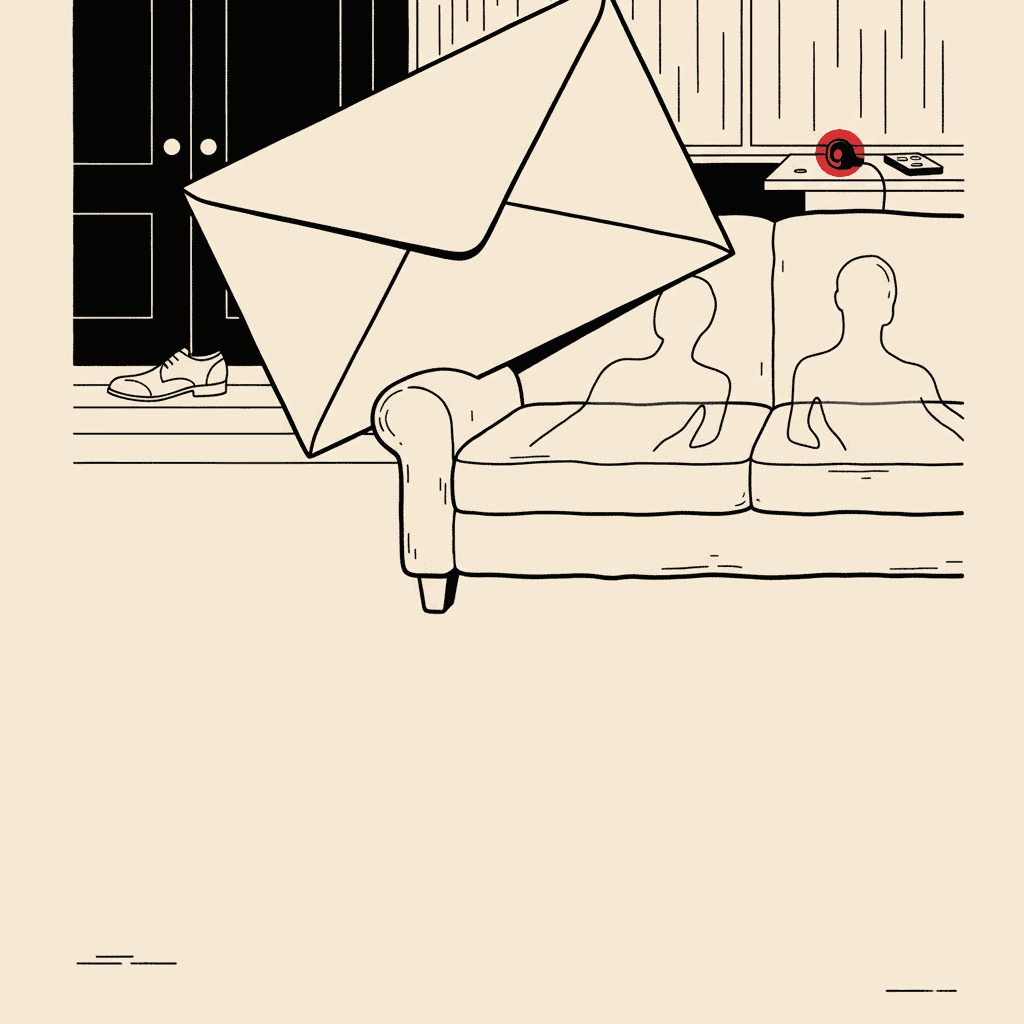
*The memory begins in a kitchen. Morning light through gauze. A woman's hands — not the rememberer's, someone watched — moving a cup across a table.*
Renata kept her eyes on the screen. The copal had curdled with the ozone today, sweet rot under burnt wire, and somewhere behind a curtain a man was making the noise people made when grief surprised them — small, like something pulled loose. She did not look up. She had learned not to.
"Solís," Elio said. He set both hands flat on the desk. Broad hands, wrong for the soft work he did. A scar above one brow, white, older than the cars that had erased the need for scars.
*The watched woman laughs at something off-frame. The rememberer holds the moment longer than a moment needs holding.*
"Case number," she said.
He told her. She typed three digits before her fingers stopped on the fourth.
She knew it. She had indexed it six months ago, every file tagged and shelved, all but one. One she had marked corrupted and never delivered, never watched — because the corrupted file was her, recorded from the other side of a table she did not remember sitting at.
He pointed at the timestamp. His hand stopped an inch from hers. Neither of them moved. He did not correct the distance.
"I've been wanting to ask you something," he said. "For six years."
The streams hummed. The marigolds browned.
She already knew the question. She had been the answer the whole time, filed under someone else's name.